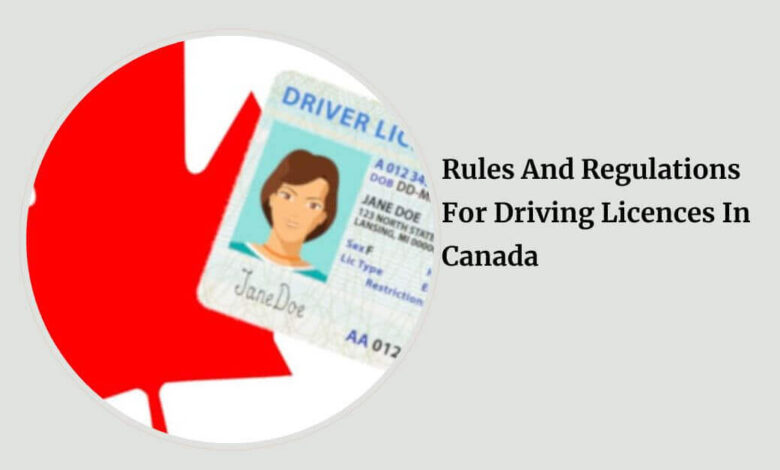
Rules And Regulations For Driving Licences In Canada 2026 – Canada’s driving licence rules and regulations in 2026 are designed to ensure road safety, protect drivers, and standardize licensing procedures across provinces. Whether you are a new resident, an international driver, or pursuing a career in transportation such as delivery, trucking, or ride-sharing, understanding these rules is essential. Driving roles in Canada can earn between CAD 40,000 to CAD 80,000 per year, depending on experience, licence type, and job responsibilities.
Key Details About Canadian Driving Licences:
- Minimum Age: 16–18 years, depending on the province.
- Licence Types: Learner’s Permit (G1/GDL), Full Licence (G/G2 in Ontario), Commercial Driver’s Licence (CDL for trucks, buses).
- Vision and Health Requirements: Mandatory eye tests for senior drivers (60+) and medical examinations for commercial drivers.
- Provincial Rules: Licensing procedures vary across Ontario, British Columbia, Alberta, Quebec, and Manitoba.
Requirements To Obtain A Driving Licence:
- Age Proof: Birth certificate, passport, or permanent resident card.
- Identity Verification: Government-issued ID and residency documents.
- Vision Test: Mandatory for new drivers and all drivers over 60 starting November 2025.
- Knowledge Test: Written or digital test covering traffic signs, road rules, and safety regulations.
- Practical Driving Test: Assesses skills such as parking, lane changes, and highway driving.
- Medical Examination: Required for commercial drivers or after failing a vision test.
- Fees: Licence renewal and testing fees vary by province, typically CAD 10–20 extra for vision screening.
Responsibilities of Canadian Drivers:
- Follow Traffic Laws: Obey speed limits, signals, and provincial regulations.
- Maintain Vehicle Safety: Ensure regular maintenance and valid insurance.
- Report Accidents: Notify authorities immediately if involved in collisions.
- Stay Fit to Drive: Attend vision or medical screenings as required.
- Professional Conduct: For commercial drivers, maintain records and comply with employer safety policies.
Benefits:
- Legal Driving Rights: Allows you to drive legally across all Canadian provinces and territories.
- Career Opportunities: Opens doors to jobs in delivery, trucking, ride-sharing, and commercial transport.
- Attractive Salary: Potential to earn between CAD 40,000–80,000 per year depending on experience and role.
- Independence & Mobility: Provides personal freedom for travel, errands, and professional responsibilities.
- Insurance Advantages: Compliance with rules may reduce premiums and increase coverage eligibility.
- Road Safety Awareness: Ensures drivers meet vision and health standards, contributing to safer roads.
- Professional Growth: Enables advancement in transportation careers, including supervisory or logistics roles.
Salary and Career Path:
Driving roles in Canada are in demand:
| Job Type | Average Salary (CAD) | Career Path |
|---|---|---|
| Delivery Driver | 40,000–55,000 | Senior Driver → Fleet Supervisor |
| Ride-Share / Taxi | 45,000–60,000 | Fleet Manager / Regional Operator |
| Truck Driver | 55,000–80,000 | Long-Haul Driver → Logistics Supervisor |
| Commercial Bus Driver | 50,000–70,000 | Dispatcher → Operations Manager |
Who Should Apply?
- New residents seeking legal driving rights in Canada.
- International drivers wanting to exchange their foreign licence.
- Seniors renewing licences and complying with updated vision rules.
- Professionals aiming for transportation careers like trucking, delivery, and ride-sharing.
Check Also: UK Driver Jobs with Visa Sponsorship
Application Process:
- Check Provincial Rules: Review requirements on your provincial transport website.
- Gather Documents: ID, residency proof, medical reports (if required).
- Pass Knowledge Test: Complete written or digital road rules test.
- Complete Vision/Medical Exams: As required by your province and age group.
- Book Practical Driving Test: Schedule through provincial licensing authority.
- Pay Fees: Pay all applicable testing and processing fees.
- Receive Licence: After passing all tests, collect your learner’s permit or full licence.
How To Apply?
- Ontario: DriveTest Centres
- British Columbia: ICBC
- Alberta: AMA & Registry Offices
- Quebec: SAAQ
- Manitoba: MPI Service Centres
Conclusion:
Understanding the rules and regulations for driving licences in Canada 2026 ensures safety, career opportunities, and legal compliance. From new residents to seniors, following the right procedures, vision tests, and provincial requirements makes driving in Canada smooth and safe. Holding a valid licence not only increases independence but also opens doors to lucrative transportation careers earning CAD 40,000–80,000 annually.
Frequently Asked Questions:
Can I drive in Canada with my foreign licence?
Yes, most provinces allow temporary driving with a foreign licence (60–90 days) before conversion.
What is the minimum age for a Canadian driving licence?
Typically 16–18 years, depending on the province.
Are vision tests mandatory for all drivers?
Vision tests are mandatory for seniors 60+ and all new drivers in most provinces.